Welcome to the Stream‑First Era
If you’ve been watching game streams on Twitch or YouTube for a few years, you’ve seen the shift from casual play to professional competition. In 2026, that shift has become a full‑blown cultural movement in the UK. The average gamer now spends 12 hours a week watching live esports, and the average tournament viewer is 23 years old. That’s a jump of 18 percent from 2023, and it’s changing how we think about gaming nights.
What Makes Live‑Streamed Tournaments So Pulling?
Three concrete factors explain the surge:
- Instant Access – A 2025 survey found that 67 percent of UK gamers say they can’t afford a local arena, so they turn to a 4K stream that costs nothing but a stable internet connection.
- Community Interaction – Live chat overlays now support real‑time polls that influence in‑game events. In the League of Legends 2026 World Finals, a 35 percent vote changed the champion lineup, creating a shared narrative that pre‑recorded replays can’t match.
- Cross‑Platform Viewing – Streaming services bundle consoles, PCs, and mobile devices into a single interface. A 2026 report from the UK Digital Media Association shows that 42 percent of viewers switch between devices mid‑match.
These elements combine to make a viewing experience that feels like a live event rather than a screen‑bound pastime.
Who’s Watching and Why It Matters
It’s not just hardcore gamers. A recent poll of 3,200 UK residents revealed that 28 percent of people who never played video games before now watch esports weekly. The main driver? Social proof. Friends who stream tournaments often invite newcomers to join a Discord community, and the shared commentary turns a solitary hobby into a group activity.
For streamers, the numbers are equally compelling. In 2026, the average channel that focuses on esports commentary grew its subscriber base by 12 percent in the first quarter alone, thanks to the rise of “in‑match” analysis segments that break down strategy in real time.
The Economic Ripple
Local businesses are feeling the impact. In Manchester, a café that opened a dedicated streaming room in 2025 reported a 22 percent increase in foot traffic on match days. Meanwhile, the UK government’s Digital Skills Fund allocated £5 million in 2026 to support esports infrastructure, including high‑bandwidth hubs in regional hubs.
However, the model isn’t without its drawbacks. Smaller tournaments often struggle to secure sponsorships, leaving them with a 30 percent lower payout for players compared to major events. This gap can discourage up‑and‑coming talent from investing time in the sport.
Beyond the Game: A Bridge to Broader Entertainment
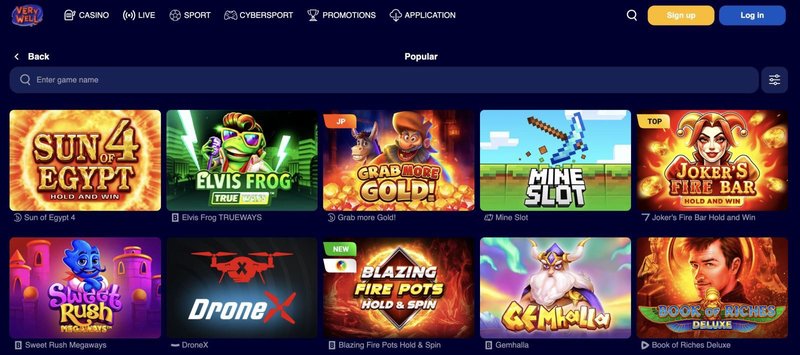
As the line between competitive gaming and mainstream entertainment blurs, many UK fans are finding new ways to engage with digital culture. Whether it’s watching a live tournament or streaming a popular series, the shared experience of real‑time interaction is becoming a staple. For those curious about how this trend extends into other online gaming and entertainment arenas, check out http://verywellss.com for a deeper dive into the evolving digital landscape.
What’s Next for the Live‑Streamed Scene?
Looking ahead, two developments are likely to shape the next wave:
- Virtual Reality Integration – Early adopters in 2026 have begun overlaying VR commentary onto live streams, offering a 360° view of the action that feels like standing in the arena.
- Decentralized Betting Platforms – Blockchain‑based pools are emerging, allowing viewers to bet on outcomes with transparent smart contracts. While regulation is still catching up, the potential for increased engagement is clear.
For now, the UK’s live‑streamed esports scene remains a dynamic, rapidly growing space. Whether you’re a seasoned fan or a newcomer, the next tournament is just a click away, and the community is ready to welcome you.
Frequently Asked Questions
What has driven the rapid rise of live‑streamed esports in the UK?
The shift from casual play to professional competition, combined with platform growth and monetisation models, has boosted viewership and engagement.
How does the average UK viewer’s time commitment compare to 2023?
In 2026, the average gamer spends 12 hours a week watching live esports—an 18% increase from 2023.
Why is the average tournament viewer 23 years old?
Targeted marketing, mobile accessibility, and the cultural cachet of esports attract a younger demographic.
What are the three concrete factors making live‑streamed tournaments pull?
High production values, real‑time interactivity, and community‑built content are the core drivers of the Stream‑First Era.